A Krishna marble statue is more than a decorative piece. For many families, temples, spiritual spaces, and collectors, it represents devotion, artistic expression, and timeless beauty. Because marble statues are often kept for many years, choosing one requires attention to more than just appearance. The quality of the marble, craftsmanship, detailing, proportions, finishing, and durability all influence the final result.
But what actually makes a Krishna marble statue high in quality? Understanding these factors can help buyers make a more informed decision and select an idol that combines artistic beauty with lasting value.
The first factor to consider is the quality of the marble itself. Good-quality marble provides a strong and smooth surface that allows artisans to create fine details without compromising the structure of the statue.
The marble should have suitable strength, a consistent texture, and a finish that supports detailed carving. Natural marble can have subtle variations in colour and patterns, which are part of its character. However, major cracks, weak areas, or unwanted structural imperfections may affect the durability of the finished statue.
When selecting a Krishna marble idol, buyers should therefore examine the overall quality and condition of the stone rather than focusing only on its external appearance.
A well-crafted Krishna statue should have balanced proportions. The face, hands, feet, body, clothing, ornaments, and overall posture should appear harmonious.
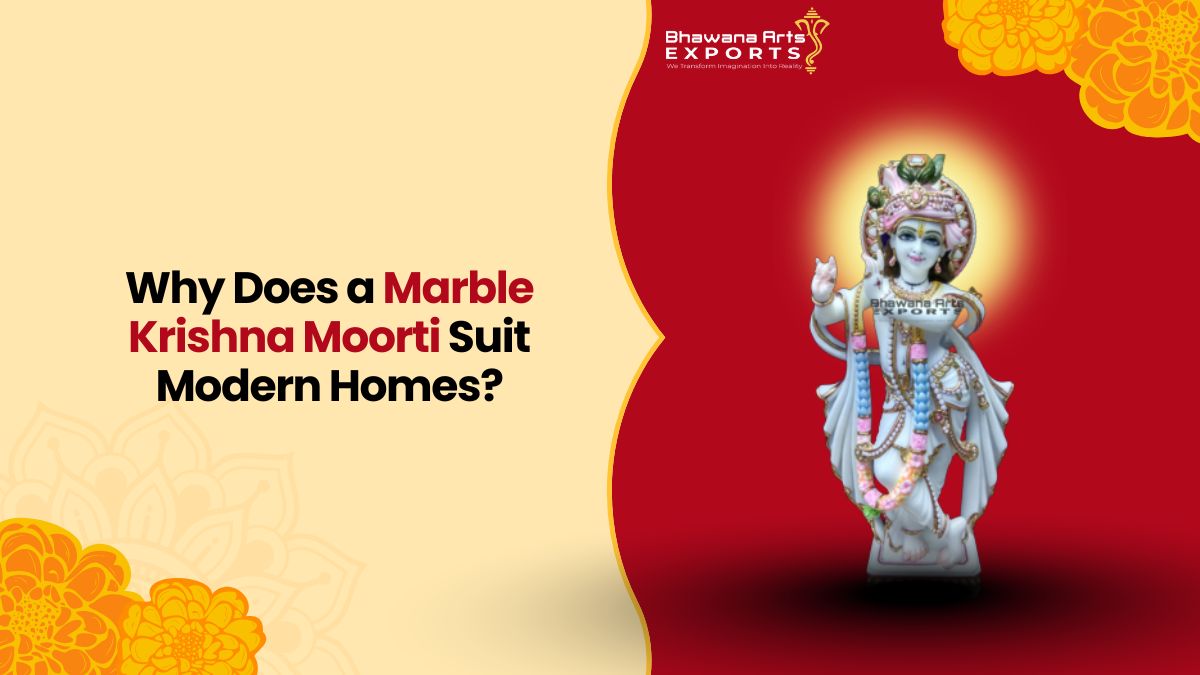
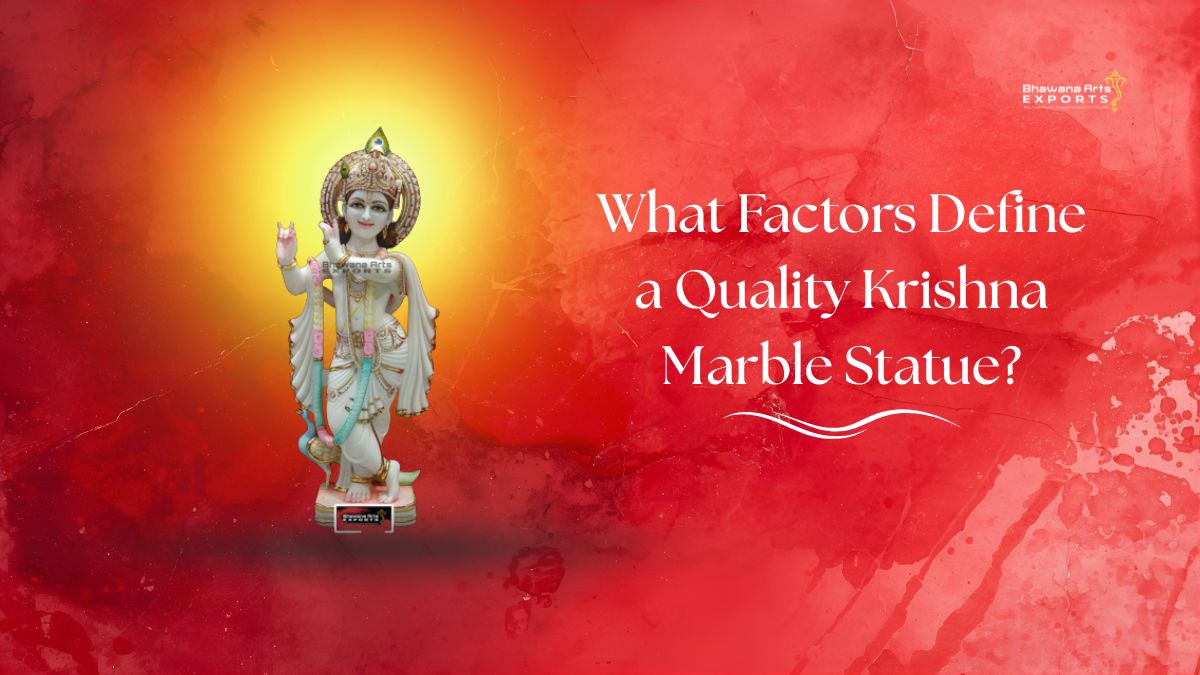
Traditional representations of Lord Krishna often include distinctive elements such as a flute, graceful posture, decorative clothing, and a calm facial expression. Each element needs to complement the others.
Poor proportions can make an otherwise attractive statue look unnatural. Skilled artisans pay close attention to measurements and symmetry during carving to achieve a balanced appearance.
This is particularly important when choosing a statue for a temple or prayer area, where traditional appearance and visual harmony are often important considerations.
The face is one of the most noticeable parts of a Krishna statue. Eyes, eyebrows, lips, nose, and facial expression contribute significantly to its overall character.
A quality statue should have carefully defined facial features with a peaceful and graceful expression. The eyes should appear balanced, while the facial proportions should remain natural.
Fine detailing requires experience because marble is a hard material and small mistakes can affect the final appearance. Experienced craftsmen carefully shape these features using appropriate carving techniques and tools.
For buyers comparing different statues, looking closely at the face can provide useful insight into the level of craftsmanship involved.
Another important factor is the quality of carving. A professionally crafted statue should show clean and controlled detailing throughout its surface.
Elements such as jewellery, clothing patterns, flute details, hair, crowns, and decorative accessories require patience and precision. The carving should look consistent rather than rough or uneven.
A reputable Marble Statue Manufacturer generally focuses on both the major structure and smaller decorative details. These details may seem minor individually, but together they significantly influence the visual appeal of the finished statue.
After carving is completed, the statue requires proper finishing and polishing. A good finish enhances the natural beauty of marble and gives the statue a refined appearance.
The surface should generally feel smooth and carefully finished, especially on visible areas such as the face, hands, and body. Uneven polishing, rough patches, or visible finishing marks can reduce the overall quality.
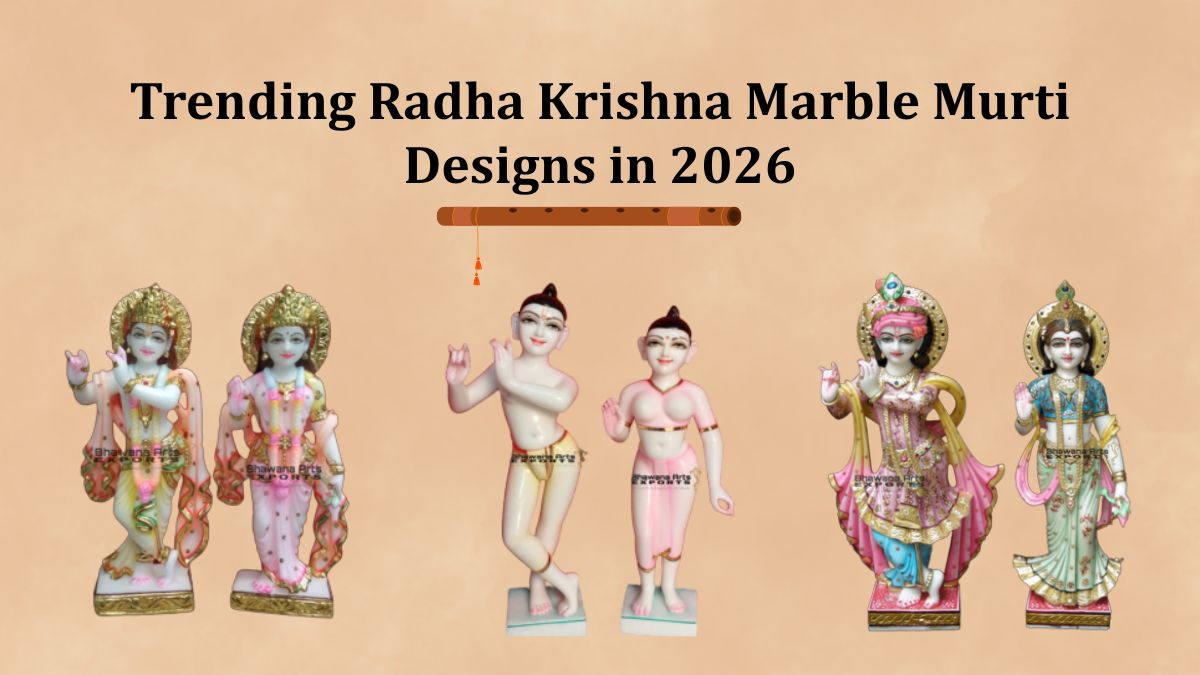
Depending on the desired style, a Krishna statue may have a natural white marble appearance or include carefully applied colours and decorative elements. The finishing should complement the carving instead of hiding its details.
A beautiful appearance is important, but durability should not be overlooked. A marble statue needs to have sufficient structural strength, particularly around delicate areas such as fingers, hands, flute, ornaments, and other projecting elements.
A skilled artisan understands how to create detailed features while maintaining the necessary thickness and support within the stone.
Before purchasing a statue, buyers should check whether there are visible cracks, chips, unstable sections, or weak-looking projections. These issues can become more significant during transportation or installation.
The artistic representation of Krishna can vary depending on the intended style, region, and tradition. Some statues present Krishna in a standing flute-playing posture, while others portray different devotional forms.
A quality statue should maintain consistency in its overall design. The posture, clothing, ornaments, facial expression, and accessories should work together to create a visually coherent representation.
When purchasing a Krishna Marble statue, it can be useful to decide beforehand whether you prefer a traditional temple-style design, a more decorative version, or a simple contemporary interpretation.
Decorative features can make a significant difference to the final appearance of a marble Krishna statue. Crowns, necklaces, bracelets, clothing patterns, floral elements, and other ornaments require careful carving.
The detailing should be sharp enough to remain visible while still looking natural. Excessive or poorly executed decoration can make the statue appear crowded.
Good craftsmanship focuses on balance. Decorative elements should enhance the central figure rather than distract from the face and overall form.
The experience of the artisan plays a major role in determining statue quality. Marble carving is a specialized craft that requires knowledge of stone behaviour, proportions, traditional designs, and finishing techniques.
Experienced craftsmen know how much material can safely be removed from different areas of the stone. They can also create intricate patterns while protecting delicate parts of the statue.
For this reason, choosing a reliable Marble Statue Manufacturer can be just as important as choosing the design itself. A manufacturer with experienced artisans and proper quality-control practices is more likely to deliver consistent workmanship.
The quality of a statue should also be considered in relation to where it will be placed. A large temple installation may require a different design and construction approach than a small home shrine.
Before ordering, buyers should consider the available space, entrance dimensions, installation surface, transportation requirements, and final viewing distance.
A statue that is properly proportioned for its surroundings can create a more balanced and attractive setting.
Some buyers prefer a standard design, while others want specific dimensions, postures, facial expressions, ornaments, or decorative details.
Custom-made statues can be created according to particular requirements, but customisation should be handled by experienced craftsmen. Small changes in proportions or design need to be carefully planned before carving begins.
Discussing the required size, marble type, design references, finishing style, and decorative preferences with the manufacturer can help reduce misunderstandings during production.
Even a high-quality marble statue needs proper care. Marble can remain beautiful for many years when it is cleaned appropriately and protected from unsuitable chemicals or excessive moisture.
Regular dusting with a soft, clean cloth can help maintain the surface. For deeper cleaning, gentle methods suitable for natural marble should be preferred.
Harsh acidic cleaners and abrasive materials may damage the surface or affect its finish. If the statue is installed outdoors, environmental exposure should also be considered when selecting the finish and maintenance routine.
Before making a purchase, consider these simple questions:
Looking at these factors together provides a better understanding of overall quality than judging the statue only by its price.
A quality statue depends on the stone, but it also depends heavily on the people who transform that stone into a finished work of art. Experienced manufacturers typically combine suitable marble selection, skilled carving, detailed finishing, and quality inspection.
When comparing suppliers, buyers can ask about the marble source, craftsmanship process, available customisation, finishing options, packaging, transportation, and installation support.
A trustworthy manufacturer should also be able to explain the design and material choices clearly instead of focusing only on the final price.
A quality Krishna marble statue is the result of several elements working together. High-quality marble provides the foundation, while accurate proportions, detailed carving, expressive facial features, smooth finishing, structural strength, and skilled craftsmanship determine the final appearance and durability.
Whether the statue is intended for a home temple, spiritual space, cultural setting, or collection, taking time to evaluate these factors can help you choose a piece that remains visually appealing for years.
Most importantly, look beyond surface appearance. The real quality of a marble statue can be seen in the stone, craftsmanship, detailing, balance, and finishing. Choosing an experienced Marble Statue Manufacturer and carefully reviewing these characteristics can make the buying process more confident and worthwhile.