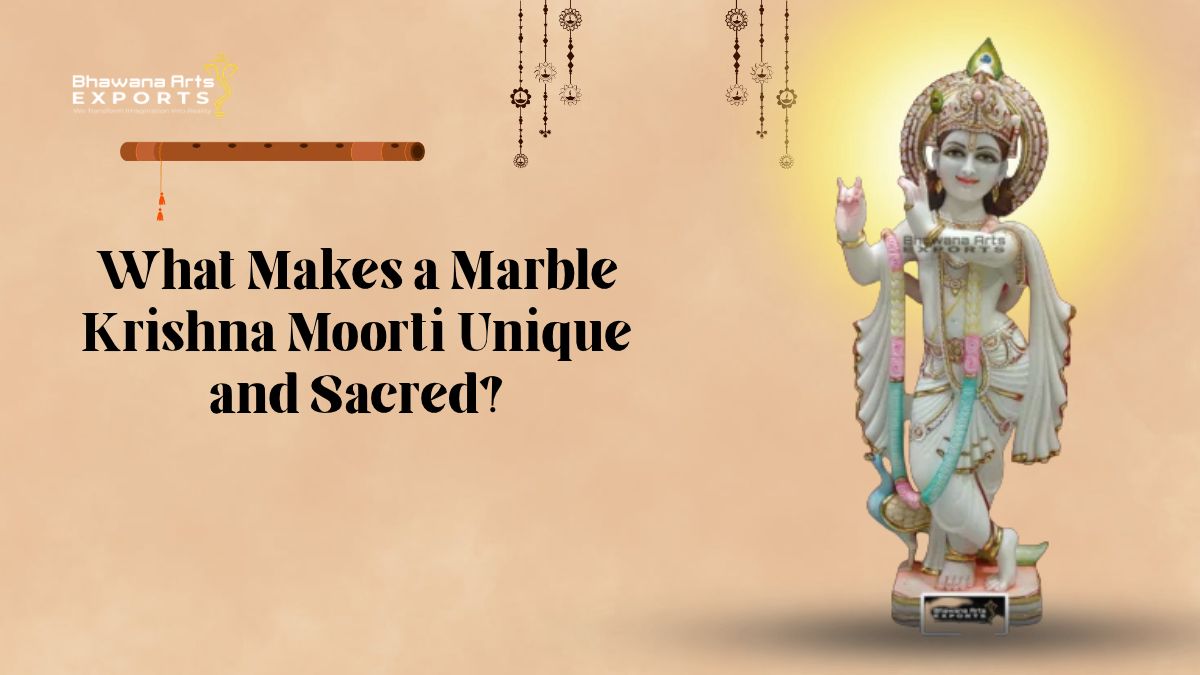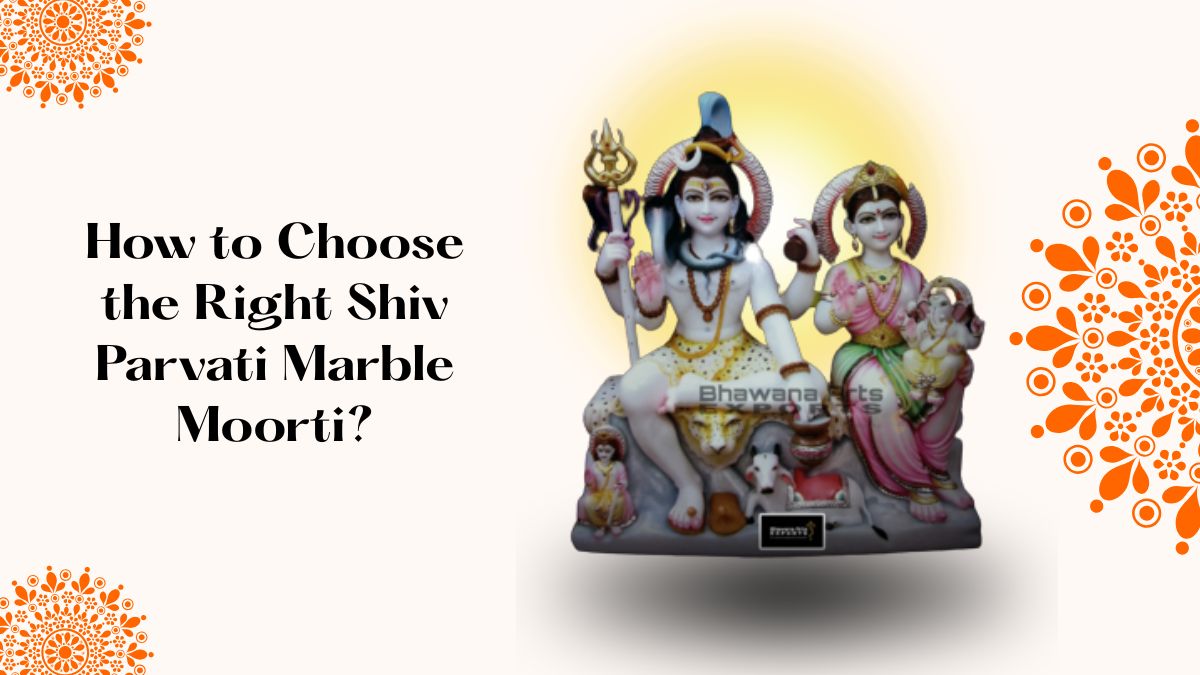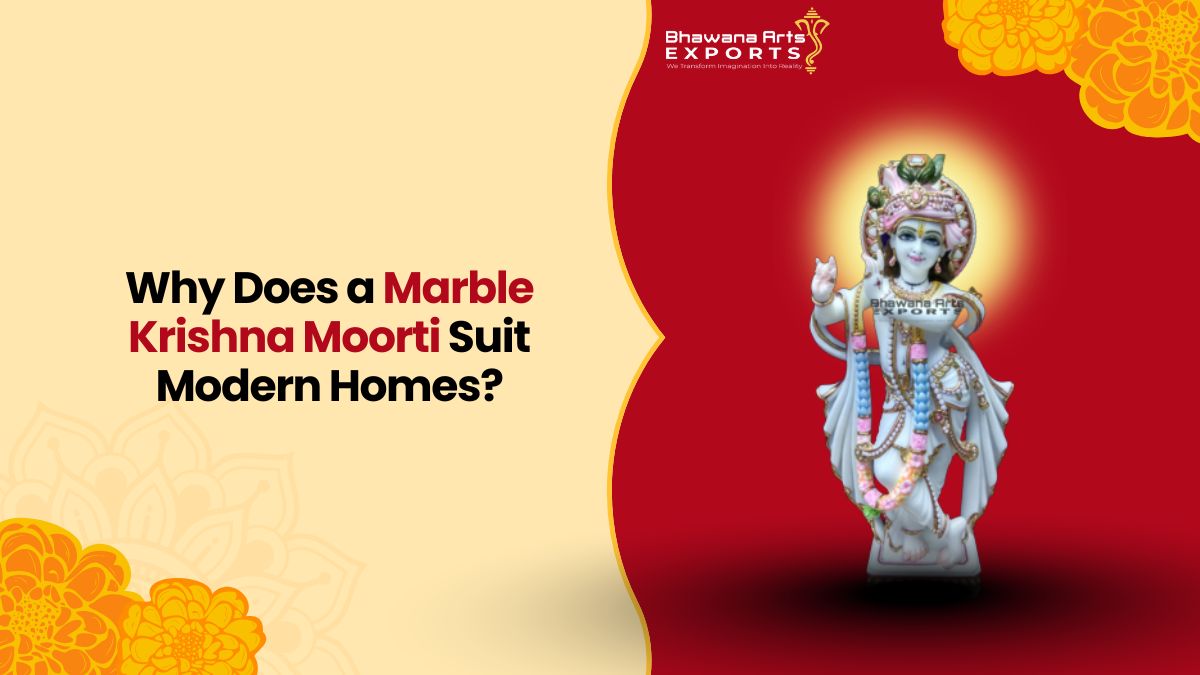
A marble human statue is more than a carved piece of stone. It is a combination of artistic skill, careful craftsmanship, proportion, expression, and attention to detail. Artists work with natural marble to transform a solid block into a lifelike representation of a person, character, or human figure. The process requires patience because even a small carving decision can influence the final appearance of the statue.
The uniqueness of a Marble human Statue comes from the way natural stone, artistic imagination, and traditional carving techniques come together. Every piece can have its own texture, veining, surface character, and handcrafted details, making it different from mass-produced decorative objects.
A marble human statue is a sculpted representation of a human figure created primarily from marble. Depending on the purpose, it may portray a historical personality, spiritual figure, traditional character, or an artistic human form.
Unlike printed or machine-made decorations, a traditionally carved statue involves multiple stages of craftsmanship. The artist studies the required form, selects suitable marble, marks the basic proportions, removes excess material, and gradually develops details such as facial features, clothing, hair, hands, and posture.
This gradual transformation is one of the reasons marble sculpture continues to be valued in art, architecture, interiors, and cultural spaces.
Marble has been used for sculpture for centuries because it offers a combination of strength, workable texture, and a naturally refined appearance. High-quality marble can be carefully shaped and polished to reveal a smooth surface while retaining the characteristic beauty of natural stone.
Another important feature is its natural variation. Marble may contain subtle lines, grains, and shades that differ from one stone block to another. These characteristics can add visual depth to a finished sculpture.
For artists, marble also provides the opportunity to create delicate transitions between different surfaces. This is particularly important when sculpting facial expressions, fingers, folds of clothing, and other fine elements of a human figure.
Creating a detailed sculpture begins long before the final polishing stage. The artist generally follows a systematic process to maintain accurate proportions and achieve the desired appearance.
The first step is choosing an appropriate marble block. The artist considers its size, structure, color, surface quality, and natural patterns. The stone must be suitable for the intended size and design of the sculpture.
Before removing significant amounts of stone, the basic shape and proportions are planned. Measurements and reference images may be used to understand the relationship between the head, shoulders, torso, arms, and legs.
The unnecessary portions of the marble are gradually removed during rough carving. At this stage, the primary silhouette of the human figure begins to appear.
Once the basic form is established, the sculptor works on smaller elements. Facial features, hair, clothing, hands, feet, and other characteristics are refined carefully.
The final stages involve smoothing the carved surfaces and polishing the marble. This can enhance the natural appearance of the stone while giving the statue a refined finish.
A human marble idol can have a distinctive artistic and cultural character depending on its design and intended use. It may be created as a representation of an individual or as a stylized human form connected with a particular tradition.
The uniqueness often comes from details that are difficult to reproduce exactly. Facial proportions, posture, clothing patterns, expressions, and hand positions can all influence the personality of the finished piece.
Natural marble also contributes to this individuality. Two sculptures made from different blocks may have slightly different veining and surface patterns, even when they follow the same design.
The face is often one of the most challenging parts of a human sculpture. Small changes in the position of the eyes, nose, lips, cheeks, or chin can significantly change the overall expression.
Experienced sculptors pay close attention to proportion and symmetry while also considering the reference design. Instead of simply carving individual facial features, they need to understand how those features relate to the overall structure of the head.
Fine carving tools are then used to develop subtle details. The final polishing process can further influence how light reflects from the facial surfaces, helping create a more natural appearance.
Proportion is fundamental to creating a convincing human figure. If the head, torso, arms, or legs are incorrectly sized in relation to one another, the statue may appear unnatural even when individual details are beautifully carved.
Artists therefore establish measurements before detailed carving begins. Reference points help them maintain consistency throughout the sculpture.
For custom projects, proportions may also depend on the required height, viewing distance, location, and artistic style. A sculpture intended for a large outdoor space may require different visual considerations from one designed for an indoor setting.
Handcraftsmanship is one of the strongest characteristics of traditional marble sculpture. While modern equipment can assist with cutting and shaping, skilled artisans are still essential for developing many of the fine artistic details.
A craftsman's experience helps determine how much material should be removed and where additional refinement is necessary. This becomes especially important in delicate areas where removing too much marble cannot simply be reversed.
The handmade nature of the work can therefore give every human marble moorti its own character. Minor variations are not necessarily imperfections; they can reflect the individual craftsmanship involved in creating the sculpture.
Natural marble is not always completely uniform. Veins and subtle variations may appear across its surface. Instead of treating these characteristics as a problem, skilled artists can sometimes incorporate them into the visual composition.
For example, natural patterns may complement folds in clothing or add depth to particular areas of the sculpture. The placement and visibility of these patterns depend on the selected stone and how the block is carved.
This natural variation is another reason why marble sculptures can have an individual appearance even when produced according to a similar design.
Marble human statues can be suitable for a variety of artistic, cultural, architectural, and decorative environments. Their use depends largely on the design and scale.
Common applications include:
The appropriate size, finish, design, and marble type should be selected according to the environment in which the sculpture will be displayed.
Anyone looking for a marble human statue should evaluate more than its appearance. The quality of the marble, craftsmanship, dimensions, finishing, design accuracy, and intended installation location all matter.
It is useful to ask about the marble's origin and quality, carving method, customization possibilities, finishing process, and maintenance requirements. For a custom sculpture, clear references or photographs can also help the artisan understand the desired design.
The sculpture should also be proportionate to its surroundings. A highly detailed statue may require sufficient viewing space so that its craftsmanship can be appreciated properly.
The lasting popularity of marble sculpture comes from its combination of durability, natural beauty, and artistic value. Unlike temporary decorative materials, marble can remain visually impressive for many years when it is properly selected, installed, and maintained.
More importantly, a carved sculpture represents the time and skill invested in transforming raw stone into a recognizable human form. This connection between natural material and human craftsmanship gives marble artwork a distinctive presence.
A Marble human Statue becomes truly unique when natural stone and skilled artistry work together. Its character is shaped by the marble's natural patterns, the sculptor's understanding of human proportions, detailed carving, surface finishing, and the artistic vision behind the design.
Whether created as a traditional human marble idol, a personalized sculpture, or a decorative human marble moorti, the finished piece can represent much more than a carved stone figure. It can preserve artistic craftsmanship, express cultural or personal meaning, and add a timeless visual presence to its surroundings.
Its uniqueness comes from the combination of natural marble characteristics, handmade carving, realistic proportions, artistic details, and individual craftsmanship. Each stone can have different veining and surface characteristics.
Not necessarily. Production methods can vary between artisans and workshops. Some may use modern cutting or shaping equipment during early stages and rely on skilled hand-finishing for detailed work.
The timeframe depends on the sculpture's size, complexity, marble type, level of detail, and carving technique. A highly detailed custom sculpture can require considerably more time than a simpler design.
Yes. Depending on the artisan or manufacturer, customization may include height, posture, facial features, clothing details, finish, and other design elements.
Regular dusting with a soft, clean cloth is generally useful for routine care. Harsh chemicals and abrasive cleaning methods should be avoided unless specifically recommended for the particular marble finish.