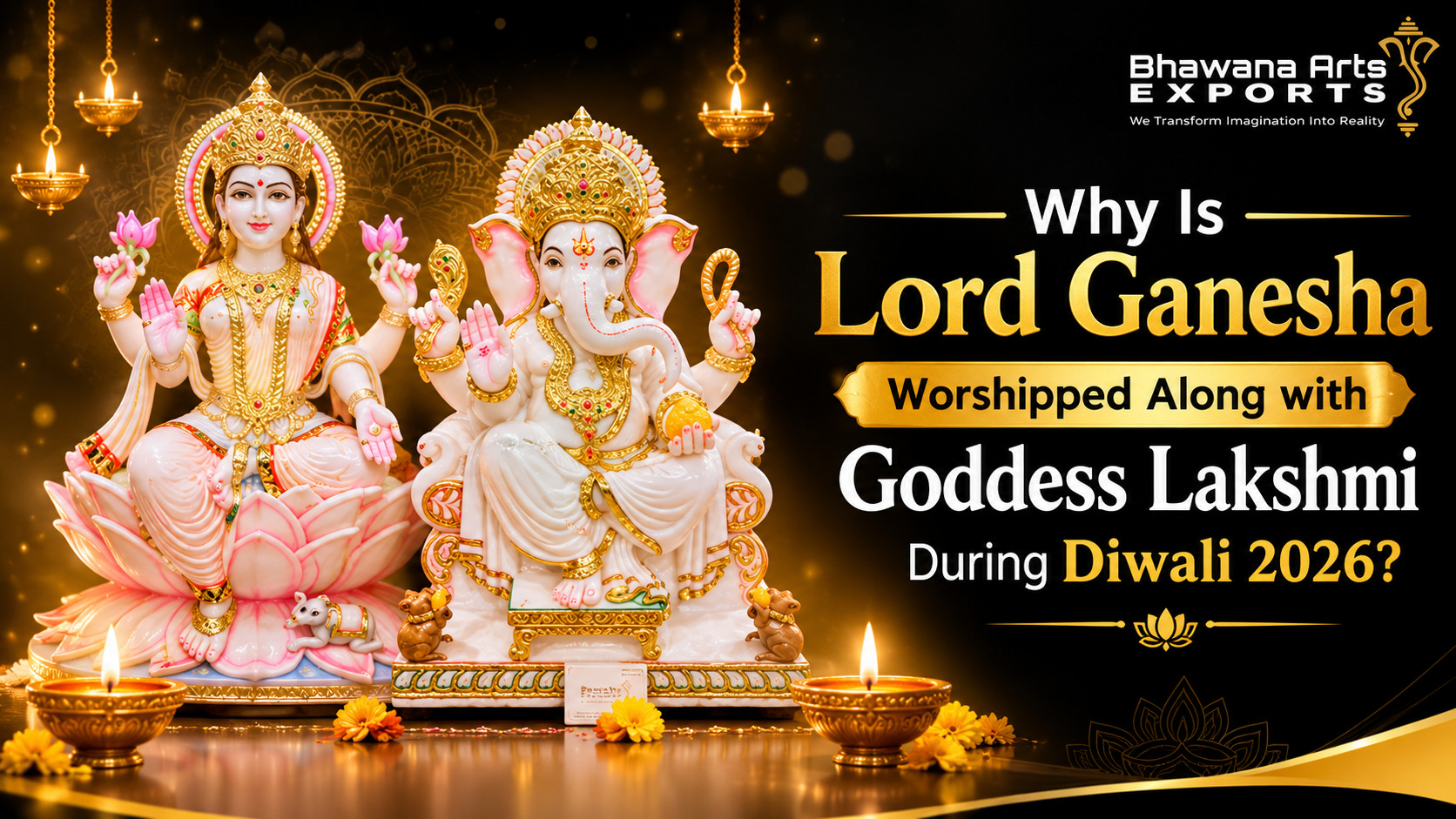
Diwali is one of the most significant Hindu festivals, celebrated with devotion, happiness, and prayers for prosperity, wisdom, and new beginnings. One of the most important traditions of Diwali is worshipping Lord Ganesha along with Goddess Lakshmi during the evening puja. While Goddess Lakshmi is associated with wealth, prosperity, abundance, and good fortune, Lord Ganesha represents wisdom, intelligence, success, and the removal of obstacles. Their combined worship reflects the belief that material prosperity becomes more meaningful when accompanied by wisdom and the ability to make the right decisions.
During Diwali 2026, families will continue this traditional practice by performing Lakshmi Ganesh Puja, decorating their homes, lighting diyas, and seeking divine blessings for the coming year. Understanding the religious significance of Lakshmi Ganesh Puja helps people appreciate why both deities hold an important place in Diwali celebrations. From traditional puja rituals to choosing beautifully crafted marble statues for home temples, every aspect of the celebration reflects India's rich cultural and spiritual heritage.
The worship of Lord Ganesha and Goddess Lakshmi together during Diwali represents the balance between wealth and wisdom. Goddess Lakshmi is worshipped as the deity of wealth, prosperity, fortune, and abundance, while Lord Ganesha is revered as Vighnaharta, the remover of obstacles, and the deity of knowledge, intelligence, and auspicious beginnings.
According to Hindu religious traditions, wealth alone cannot guarantee a peaceful and successful life. People also need wisdom, patience, good judgment, and the ability to overcome challenges. This is why devotees worship both deities together during Diwali. The combination symbolises the desire for financial stability, spiritual growth, positive thinking, and success in personal and professional life.
The tradition of Ganesh Lakshmi Puja on Diwali also reflects the belief that prosperity should be welcomed with a clear mind and positive intentions. Families perform the puja to seek blessings for their homes, businesses, careers, and future endeavours.
Goddess Lakshmi holds a central position in Diwali celebrations. She is traditionally associated with wealth, prosperity, fertility, abundance, beauty, and good fortune. Devotees believe that worshipping Goddess Lakshmi during Diwali brings happiness, financial well-being, and positive energy into their homes.
Diwali is particularly associated with Lakshmi Puja, during which families clean and decorate their homes, prepare traditional offerings, light diyas, and perform prayers in the evening. Cleanliness and illumination are important parts of the celebration because they symbolise purity, positivity, and the welcoming of prosperity.
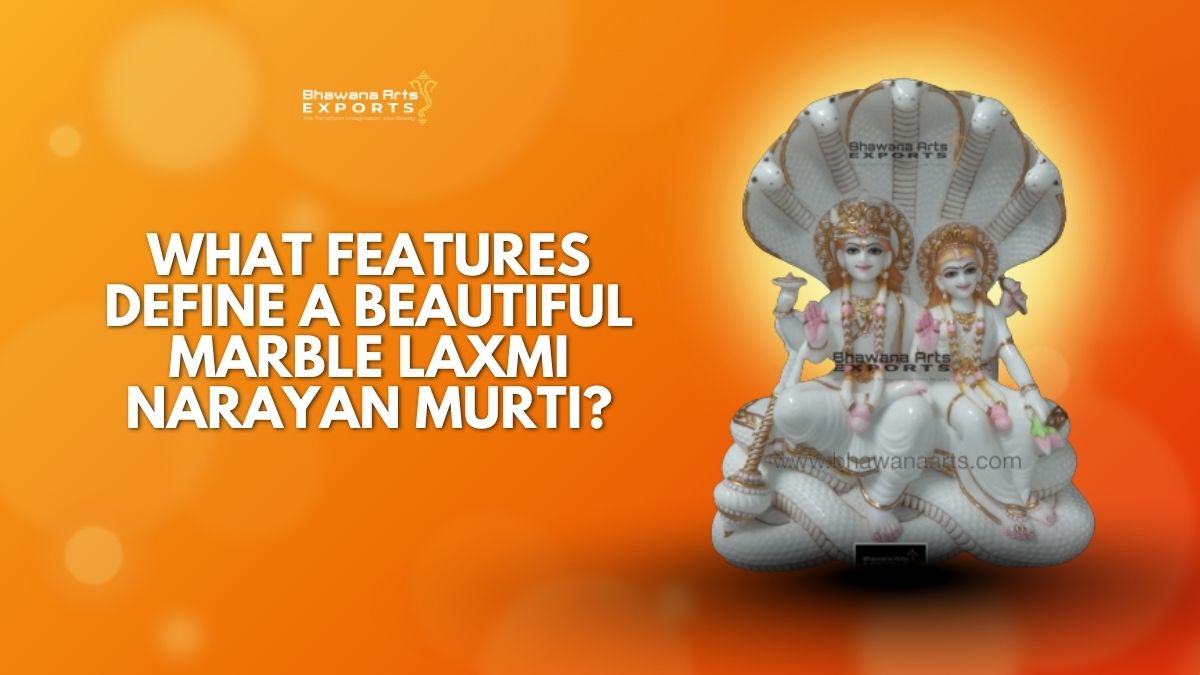
A beautifully crafted Lakshmi marble moorti is often selected for home temples because marble is valued for its durability, traditional appearance, and detailed craftsmanship. Different designs depict Goddess Lakshmi seated on a lotus, holding lotus flowers, and blessing devotees. These traditional representations carry symbolic meanings associated with purity, abundance, and spiritual prosperity.
During Diwali 2026, families can observe these traditions by preparing a clean worship area, arranging traditional puja materials, and performing Lakshmi Puja according to their family customs.
Lord Ganesha is worshipped at the beginning of religious ceremonies and auspicious occasions because he is traditionally regarded as the remover of obstacles and the deity of new beginnings. His worship alongside Goddess Lakshmi during Diwali has a special spiritual meaning.
While Goddess Lakshmi represents prosperity, Lord Ganesha represents the wisdom required to manage prosperity responsibly. His blessings are traditionally associated with removing difficulties, improving decision-making, encouraging learning, and bringing success to new ventures.
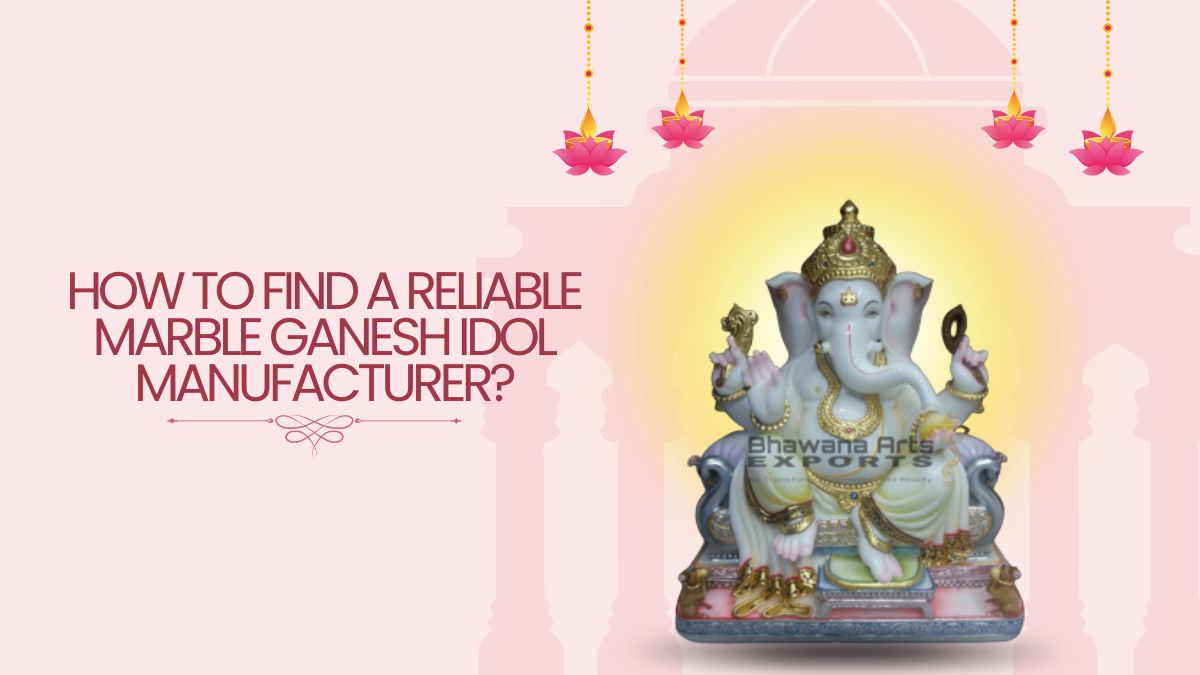
A Ganesh marble statue is a popular choice for traditional home temples because it reflects the artistic beauty of Indian religious craftsmanship. Marble statues are available in different postures and designs, including seated Ganesha, blessing Ganesha, and traditional forms depicting him with his symbolic attributes.
During Diwali, devotees worship Lord Ganesha before beginning Lakshmi Puja. This practice reflects the traditional belief that obstacles should be removed and auspiciousness should be established before seeking prosperity and abundance.
The spiritual importance of Ganesh Lakshmi worship goes beyond material wealth. It represents the relationship between knowledge, prosperity, discipline, and positive living.
Lord Ganesha symbolises intelligence, understanding, and the ability to overcome challenges. Goddess Lakshmi represents abundance, fortune, and the resources needed for a comfortable life. Worshipping them together reflects the idea that prosperity should be supported by wisdom and responsible actions.
For example, financial success requires more than earning money. It also involves planning, saving, making informed decisions, and maintaining balance in life. Similarly, professional success requires knowledge, patience, dedication, and the ability to handle difficult situations.
This is why the combined worship of Lord Ganesha and Goddess Lakshmi is considered meaningful during Diwali. It encourages devotees to seek not only financial prosperity but also wisdom, peace, personal development, and spiritual well-being.
Diwali Lakshmi Ganesh Puja is performed with devotion and follows traditional practices that may vary across regions, communities, and families. The evening puja generally includes preparing the worship area, arranging the deities, offering prayers, and performing aarti.
Before the puja, families clean their homes and decorate entrances with rangoli, flowers, and diyas. The worship area is also cleaned and decorated to create a peaceful environment for prayers.
Lord Ganesha and Goddess Lakshmi are placed in the designated worship area. Devotees arrange flowers, fruits, sweets, incense sticks, lamps, and other traditional puja materials. The puja commonly begins with prayers to Lord Ganesha, followed by worship of Goddess Lakshmi.
Mantras are recited, offerings are presented, and aarti is performed. Many families also pray for the well-being of their family members, success in business, financial stability, and happiness in the coming year.
The exact puja procedure and auspicious timing should be followed according to the local Hindu calendar and family traditions for Diwali 2026.
Marble has been an important material in Indian religious art and temple architecture for centuries. Its smooth surface, natural appearance, durability, and ability to support intricate carving make it a preferred material for creating traditional representations of Hindu deities.
During Diwali, families often pay special attention to decorating their home temples. Beautifully crafted marble statues can complement traditional mandir designs and create an elegant worship space.
A Ganesh marble statue is appreciated for its detailed features, traditional posture, and artistic expression. Similarly, a Lakshmi marble moorti represents traditional craftsmanship through carefully carved ornaments, lotus designs, and blessing gestures.
A Saraswati Marble Moorti can also be selected for a home temple or a separate worship space. Goddess Saraswati represents knowledge, education, music, and wisdom. Her traditional presence adds another dimension to the spiritual significance of Hindu worship.
When choosing marble statues for Diwali, buyers should consider the following factors:
Quality of Marble: Check the natural finish, surface texture, colour consistency, and overall quality of the marble.
Carving and Craftsmanship: Examine the facial expressions, ornaments, decorative details, and finishing of the statue.
Size and Proportion: Select a size that fits comfortably within the available home temple space.
Traditional Design: Consider the deity's posture, symbolic attributes, and traditional artistic representation.
Manufacturer Experience: Choose an experienced Marble Moorti Manufacturer with a clear understanding of traditional carving techniques and quality standards.
These considerations help buyers select marble statues that complement their home temple and reflect their preferences for traditional Indian craftsmanship.
Preparing a home temple for Diwali is an important part of the celebration. A clean and organised worship space helps families observe their religious traditions with devotion.
Start by cleaning the temple area and arranging the necessary puja materials. Decorate the surroundings with fresh flowers, traditional rangoli, and diyas. Ensure that the worship area has sufficient space for placing the deities and arranging offerings.
If you are planning to include a Ganesh marble statue and Lakshmi marble moorti in your home temple, select designs and sizes that complement each other. Keep the arrangement organised and ensure that the statues are placed securely.
You can also incorporate traditional decorations such as flower garlands, decorative lamps, and festive fabrics. Avoid overcrowding the worship area so that the space remains comfortable for performing puja.
Diwali 2026 is an opportunity to celebrate traditional values, strengthen family connections, and create a positive environment through prayers and festive preparations.
The tradition of worshipping Lord Ganesha along with Goddess Lakshmi during Diwali represents an important combination of wisdom, prosperity, and auspicious beginnings. While Goddess Lakshmi symbolises wealth and abundance, Lord Ganesha represents intelligence, knowledge, and the ability to overcome obstacles. Their combined worship encourages devotees to seek a balanced and meaningful life.
As Diwali 2026 approaches, families can celebrate these traditions by preparing their home temples, performing Lakshmi Ganesh Puja, and appreciating the cultural significance of traditional marble craftsmanship. Whether selecting a Ganesh marble statue, Lakshmi marble moorti, or Saraswati Marble Moorti, attention to artistic quality, traditional design, and craftsmanship can help create a beautiful and meaningful worship space.
Choosing a reliable Marble Moorti Manufacturer also allows buyers to explore traditional designs and detailed marble craftsmanship while preparing for the festive season.